Why Investing in Water Filtration Systems is Essential for Every Household
Clean water is a fundamental necessity for sustaining life and ensuring the health and well-being of individuals and families. As environmental concerns and water pollution issues grow, the significance of investing in water filtration systems becomes increasingly apparent. This article explores the critical reasons why every household should prioritize water filtration to safeguard their health and enhance their quality of life.
Health and Wellness Benefits
Water filtration systems play a pivotal role in reducing harmful contaminants and pollutants from tap water. These systems are designed to target impurities such as chlorine, lead, and pesticides, which can be detrimental to health. By removing these toxins, filtration systems ensure that the water consumed by households is safe and clean. Studies show that filtered water significantly reduces the risk of various diseases associated with these contaminants. For families, this means peace of mind knowing that their loved ones are protected from potential health hazards.
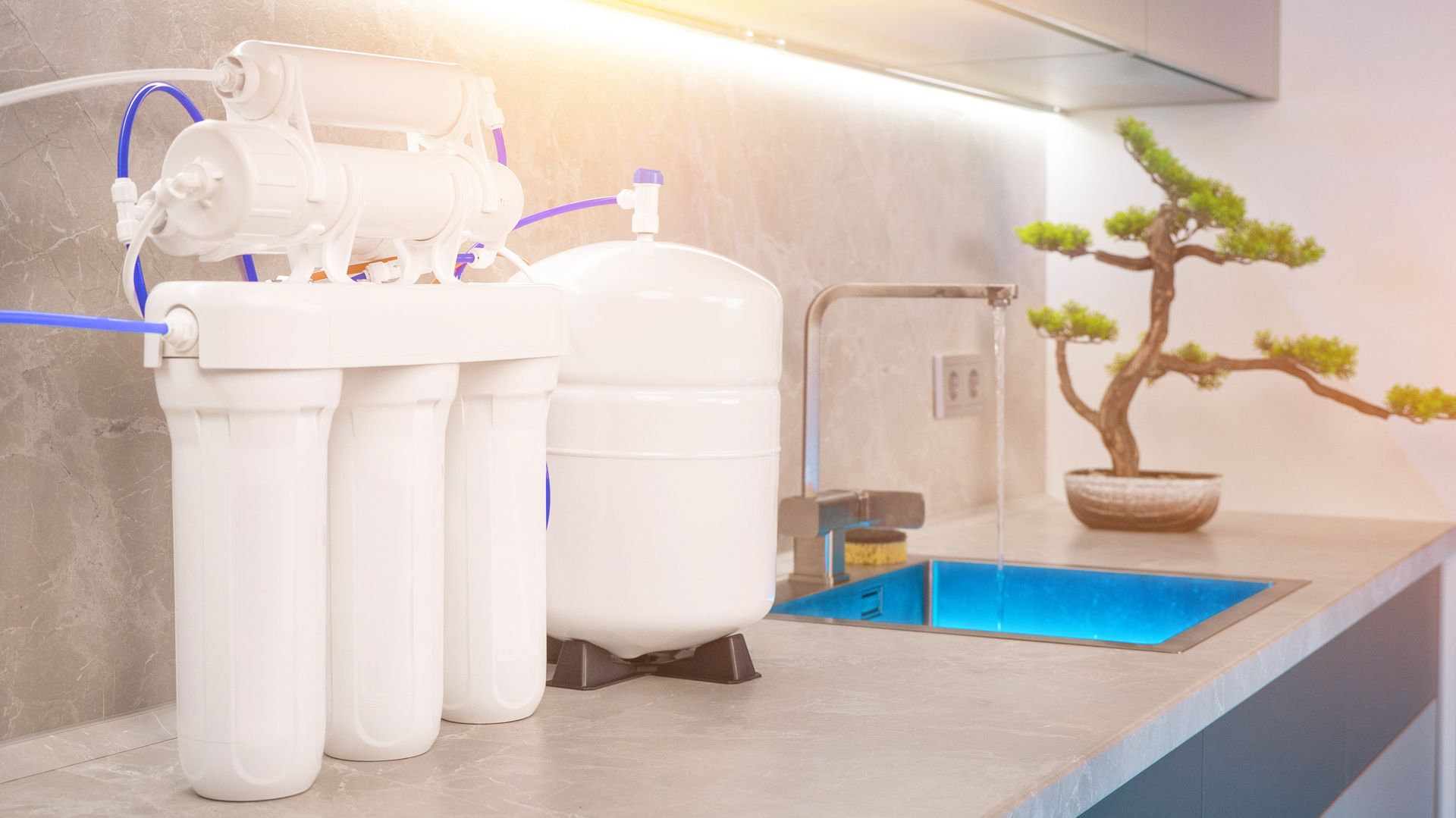
Filtration systems utilize various methods to purify water, including activated carbon filters and reverse osmosis. Each of these methods is effective in targeting specific types of contaminants, offering comprehensive protection. Activated carbon is particularly effective in absorbing chlorine and organic compounds, while reverse osmosis filters can remove even the smallest of particles. According to the NSF, more than 90% of Americans use a water filter, underscoring the widespread recognition of its benefits. By employing these systems, households can significantly decrease the levels of pollutants in their water supply.
Waterborne diseases remain a critical concern in many areas, and water filtration systems can significantly reduce the risk of exposure. These diseases are caused by pathogenic microorganisms that are often present in contaminated water sources. Filtration systems remove or deactivate these pathogens, preventing them from causing illness. For vulnerable populations, such as children and the elderly, the protection offered by filtration systems is invaluable. By ensuring that drinking water is free from harmful microorganisms, households can safeguard their health against waterborne infections.
In regions where infrastructure may be outdated or insufficient, water sources are often at a higher risk of contamination. Filtration systems provide an additional layer of security by addressing potential contaminants. This is particularly important in areas with frequent boil-water advisories or where there are known issues with water quality. By investing in reliable filtration systems, households can ensure continuous access to safe drinking water. This proactive approach prevents the spread of diseases and promotes public health.
Water filtration systems contribute to improved overall health and wellness in several ways. Access to purified water ensures that the body remains hydrated without the risk of consuming contaminants. Proper hydration is linked to improved physical well-being, cognitive function, and mood. By continually having access to clean water, individuals can maintain optimal hydration levels, supporting vital bodily functions. As a result, households experience enhanced health and energy.
Clean water is essential for efficient digestion and nutrient absorption. When consumed regularly, it aids in the elimination of waste from the body, promoting better digestive health. Filtration systems elevate water quality by removing substances that can disrupt these processes. Furthermore, by reducing the presence of toxins, these systems support kidney and liver function, which are crucial for detoxification. Overall, access to filtered water can prevent common health issues related to poor hydration and environmental toxins.
Economic Considerations and Long-term Savings
Investing in a water filtration system is a cost-effective alternative to purchasing bottled water. Many households spend significant amounts of money on bottled water, believing it to be a safer option. However, the long-term costs associated with bottled water far exceed those of a home filtration system. Over time, the expense of bottled water accumulates, becoming a major household expenditure. By choosing a water filter, families can dramatically reduce these costs, offering a sustainable and economical solution.
Aside from direct savings, filtration systems offer additional financial benefits. For instance, they eliminate the need for storage and transportation of large quantities of bottled water. This not only frees up physical space but also reduces logistical hassles associated with purchasing bottled water frequently. Furthermore, using a filtration system reduces the environmental tax associated with bottled water production and disposal. As such, households find themselves saving both money and effort by switching to water filtration solutions.
Water-related illnesses contribute to substantial medical expenses, which can be mitigated by using filtration systems. By ensuring access to clean water, these systems prevent the onset of waterborne diseases and associated health issues. This directly correlates to fewer doctor visits and reduced medication costs, resulting in significant health-related savings. Furthermore, improved overall health due to better water quality often leads to lower insurance premiums over time. Households benefit from not only better health outcomes but also decreased medical expenses through preventive measures.
The NSF's report indicates 91% of Americans use a water filter, reflecting a growing awareness of its health benefits. When families are less exposed to pollutants and contaminants, they face fewer health problems. This not only saves on immediate healthcare expenses but also in long-term health management costs. Reduced exposure to harmful substances decreases the risk of chronic conditions like certain cancers or neurological issues that entail costly treatments. In this sense, investing in a water filtration system is both a preventive and economically beneficial decision.
Environmental Impact and Sustainability
One of the most significant environmental benefits of water filtration systems is the reduction of plastic waste. The reliance on bottled water contributes to large amounts of plastic waste, which is a growing environmental concern. By switching to a home water filtration system, households can minimize the consumption of single-use plastic bottles. This not only decreases plastic waste but also reduces the environmental footprint associated with the production and transportation of bottled water. Therefore, filtration systems provide a sustainable alternative to bottled water.
Plastic waste has significant environmental impacts, from pollution to wildlife harm. Many plastic bottles end up in oceans and landfills, where they persist for hundreds of years, contributing to pollution. By choosing filtered tap water, consumers actively reduce demand for bottled water, thus minimizing plastic waste production. Moreover, manufacturing and transporting bottled water consumes vast amounts of fossil fuels, which are further reduced by adopting filtration systems. Consequently, an investment in water filtration supports environmentally responsible choices.
Adopting water filtration systems can contribute to a reduction in carbon footprints. The production, bottling, and transportation of bottled water rely heavily on fossil fuels, contributing to greenhouse gas emissions. By reducing reliance on bottled water, filtration systems help lower these emissions. Cleaner processes involved in filtration require significantly less energy, thus proving to be a more eco-friendly option. Thus, consumers can actively reduce their carbon footprint by switching to filtered water.
Carbon emissions are a critical environmental challenge with severe implications for global climate change. Every effort to reduce carbon footprints, such as minimizing dependency on bottled water, advances these environmental goals. Water filtration systems contribute by lowering the energy used in producing, bottling, and transporting commercial water products. As more households adopt filtration, the cumulative effect can significantly impact lowering overall greenhouse gas emissions. This underlines the importance of sustainable choices in everyday life. If you want expert information about water filtration systems for your home, reach out to Lifetime Water Systems and Plumbing today for comprehensive installation, maintenance and repair services.